
Count de Guiche’s Reversal
Cyrano de BergeracThis thread traces Count de Guiche from coercive rival to battlefield commander and, finally, a man capable of honoring the independence he once opposed.
increasing Bearing strength in each event
 decreasing
Bearing strength in each eventdecreasingA Rival’s Scheme
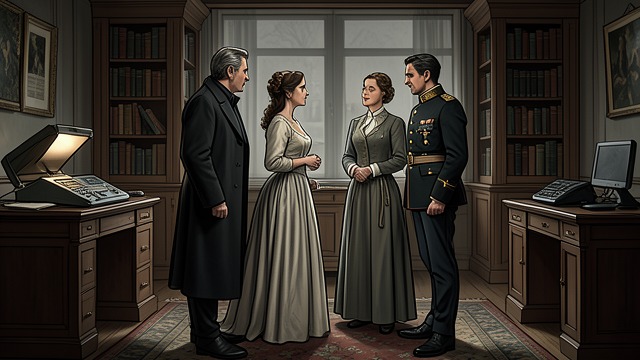
A Rival’s Scheme
Influence over Roxane
Count de Guiche wants Roxane and seeks to steer her toward Viscount de Valvert, a marriage arrangement that would also serve his interests.
Cyrano as an obstacle
His power stands opposite Roxane’s refusal and Cyrano’s openly independent conduct, establishing a personal and political rivalry.
The Rejected Recommendation
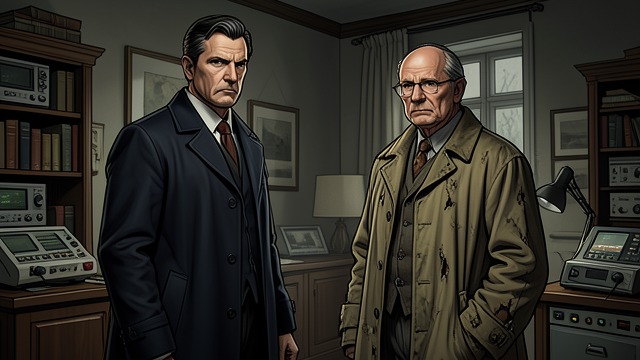
The Rejected Recommendation
Advancement offered
Count de Guiche proposes to connect Cyrano with a powerful patron after hearing of his exploit. He expects talent to accept the advantages of influence.
Pride rejects the bargain
Cyrano refuses any arrangement that could compromise his authorship. De Guiche leaves with his authority intact but his contempt sharpened.
The Arras Punishment
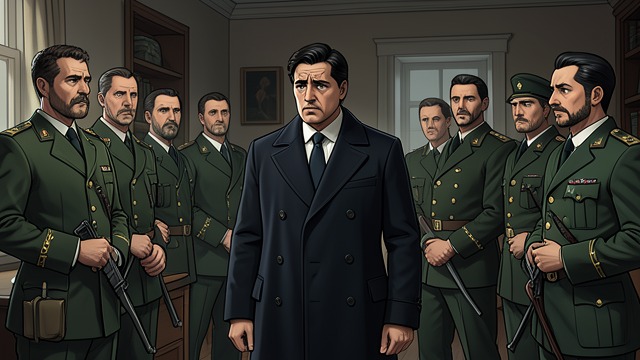
The Arras Punishment
A calculated deployment
De Guiche intends to send the Guards regiment to Arras while leaving Cyrano and the cadets behind, depriving Cyrano of the danger he values.
Roxane intervenes
Roxane persuades him that keeping the cadets from battle would hurt Cyrano more. De Guiche alters the orders, not realizing that his choice will send the lovers into war together.
The Colonel’s Hard Choice
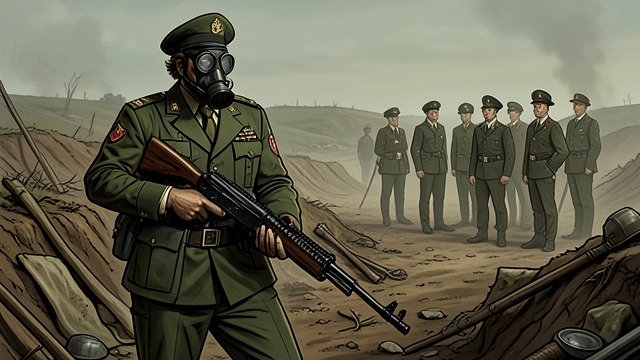
The Colonel’s Hard Choice
A dangerous delaying action
De Guiche explains that the cadets must hold their position while the main French force is absent. He admits that his personal grudge has shaped the assignment.
A change in conduct
When Roxane faces the danger, De Guiche chooses to remain with her rather than leave. His decision marks a turn from revenge toward responsibility.
Respect in Old Age
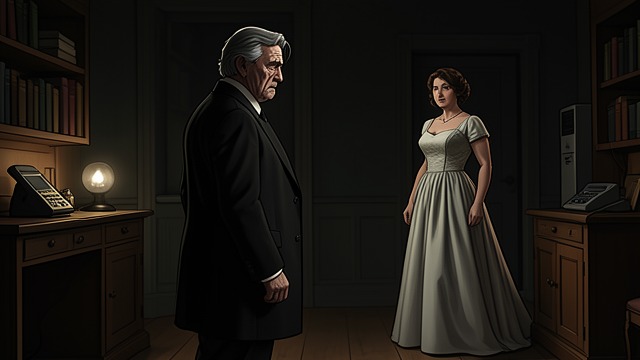
Respect in Old Age
Power reassessed
Now the Duke de Grammont, De Guiche visits Roxane and speaks with regret about his former failure to understand Cyrano.
Envy of an unbought life
He recognizes that worldly success has not given him Cyrano’s freedom from self-disgust. His late respect cannot undo past choices, but it completes his reversal in the play’s moral landscape.
Act I, during the theater performance
Act II, after Cyrano’s public triumph
Act III, before the secret wedding
During the siege of Arras, before the attack
Fourteen years after Arras, in the convent garden
